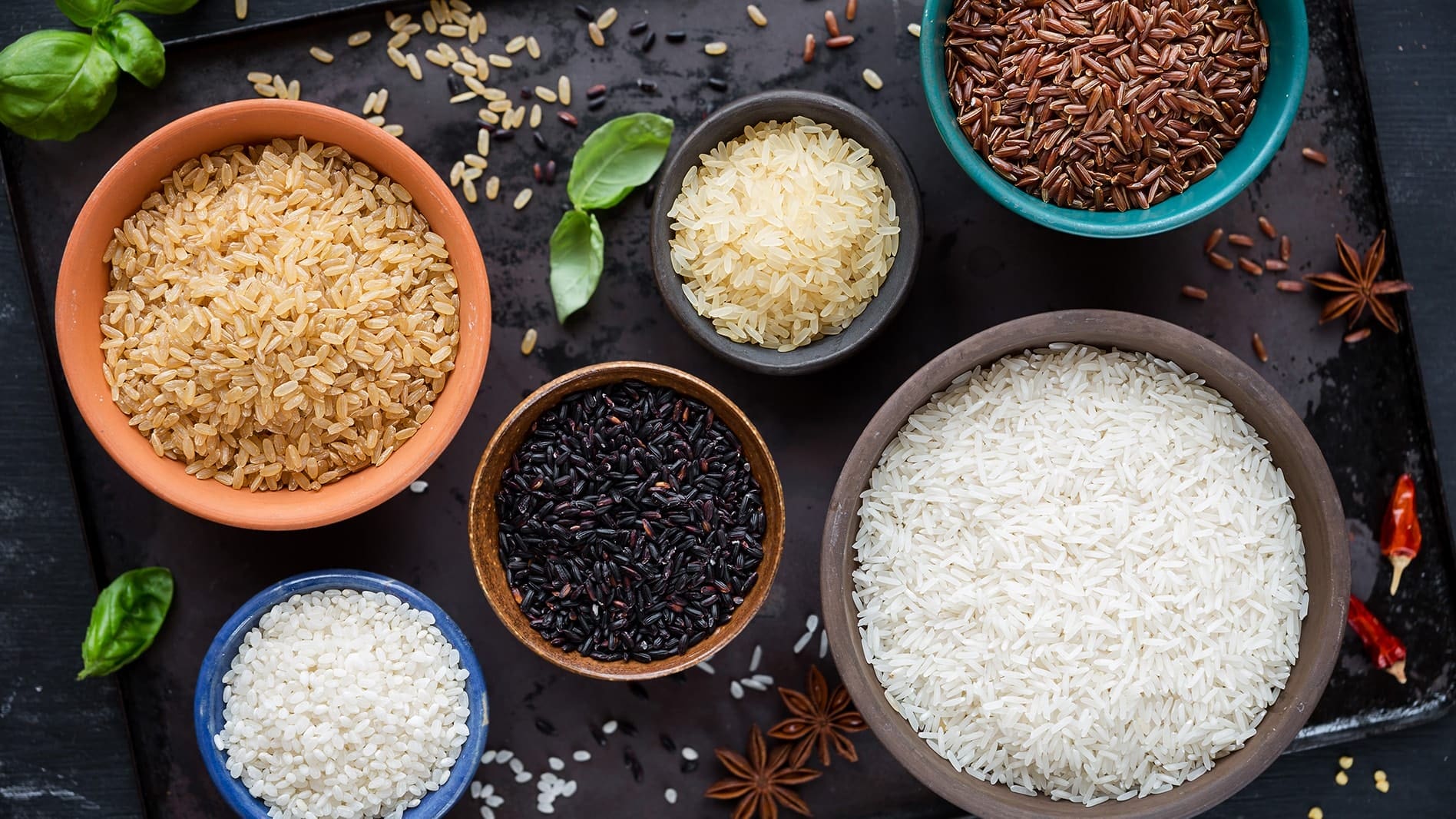
Choose by dish. Compare the range.
Pilaf / biryani
Basmati
Explore basmati riceFortune Everyday Rice Basmati AU 5 kg x 3Fortune Golden Chef Basmati Rice 5kgCurries / stir fries
Jasmine
Explore jasmine riceArawana Brand Thai Hom Mali Jasmine Rice 20kgArawana Brand Thai Hom Mali Jasmine Rice 10kgFried rice / pilaf
Long grain
Explore long grain riceGF Ingredients Rice Long Grain 20 kgFortune Rice Long Grain 20 kgRice comes in a wide range of shapes, sizes and colours, making it one of the most versatile staples in commercial kitchens.
To help bring your rice dishes to life, explore rice types below and discover where they work best on your menu.
First, what is the difference between short grain rice, medium grain rice and long grain rice?
While rice comes in a range of types, it’s categorised into three sizes with each having their own distinct characteristics and specific dish uses.
Short grain rice forms an almost rounded shape when cooked. Texture varies by variety, so choose by grain. Bomba suits paella and sushi rice suits sushi. Common styles are listed below.
- Bomba rice
- Glutinous (sticky) rice
- Sushi rice
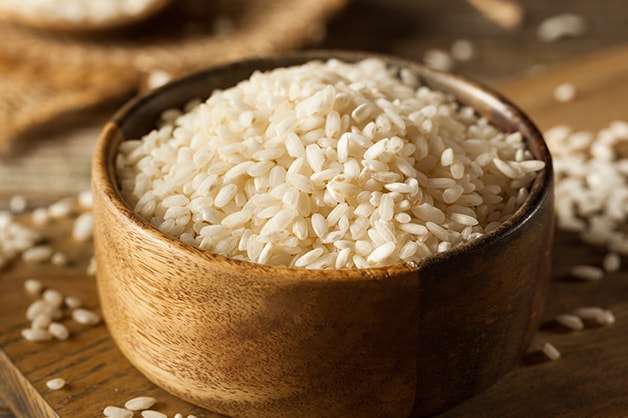
Medium grain rice has kernels shorter and wider than long grain rice. Arborio is one medium grain example, prized for creamy dishes such as risotto. Other medium grains suit stews and puddings.
- Arborio rice
Long grain rice has slender kernels, typically three to four times as long as they are wide. When cooked, the grains tend to stay separate and fluffy, making long grain rice ideal for fried rice and pilaf. Explore long grain types below.
- Basmati rice
- Jasmine rice
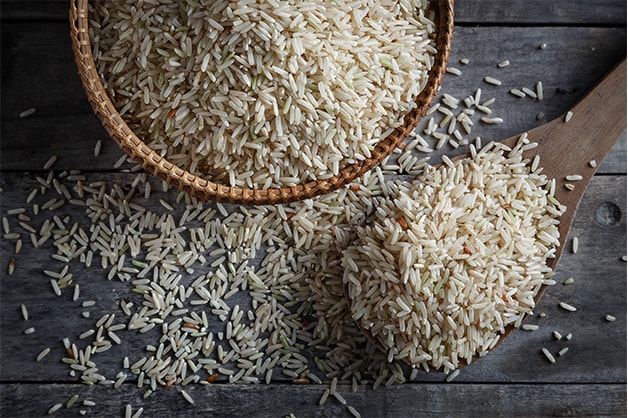
Now let’s get into the most popular types of rice used in commercial kitchens
Arborio rice
Arborio rice is a traditional Italian medium grain rice, oval and milky white in colour. When cooked, it becomes chewy and creamy, a preferred choice for risottos and arancini (fried rice) balls, while also suiting rice desserts such as puddings.
Basmati rice
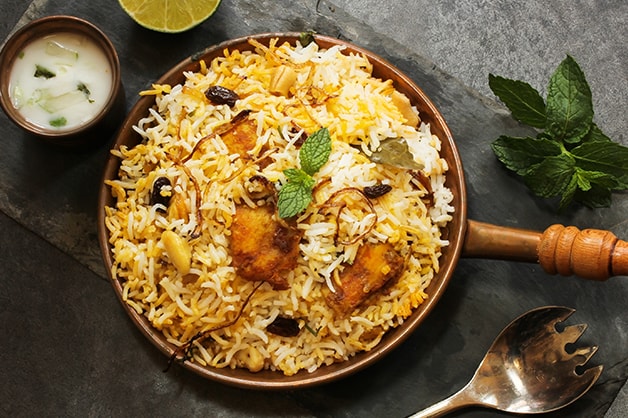
Basmati rice is a long, slender and aromatic rice traditionally used across Indian and South Asian cuisines. Brown basmati has a nuttier flavour than white, milled with only the outer hull removed, and is suitable for dishes like pilaf and biryani or as a side for curries and stews.
Black rice
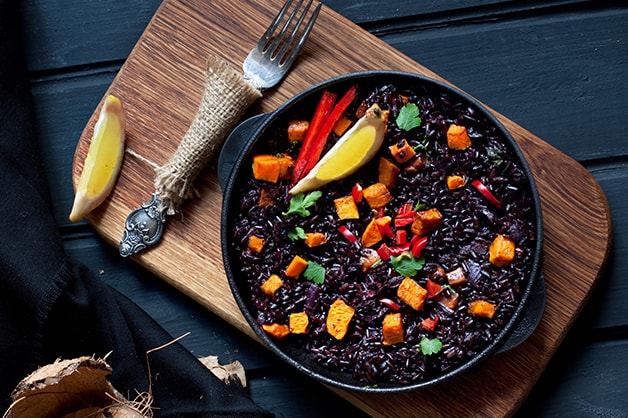
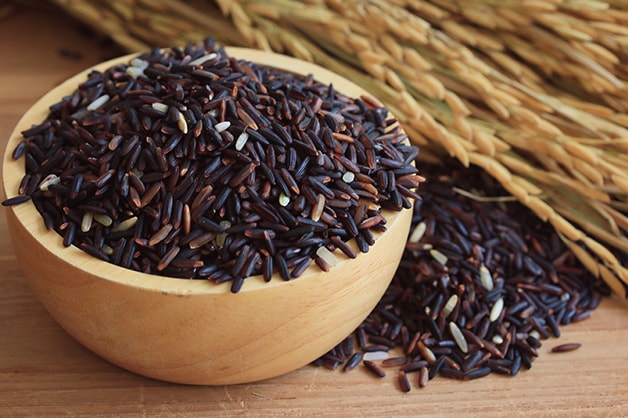
Also known as purple rice or forbidden rice, black rice is recognised for its raw appearance. Its grain length varies by variety, while the nuttier flavour and softer texture make it well suited for dishes such as porridges and puddings.
Bomba rice
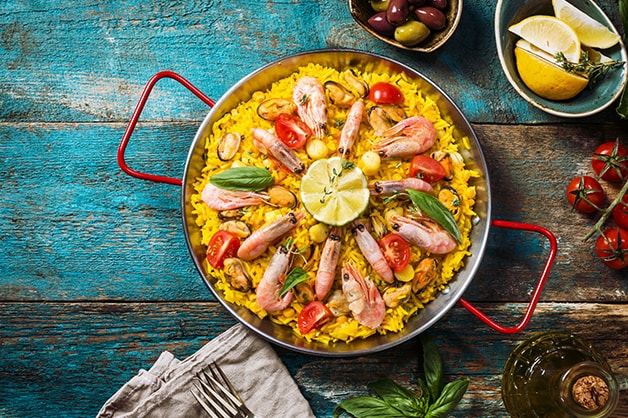
Bomba rice, also known as Valencia rice, is cultivated in Spain and is the preferred rice for traditional paella due to its absorbent nature. Follow pack directions for water quantities.
Glutinous rice
Popular in South Eastern and Eastern Asian cuisines, glutinous rice, also known as sticky rice, has a glue-like texture once cooked and suits creamy sweet dishes such as puddings. Follow pack directions.
Jasmine rice
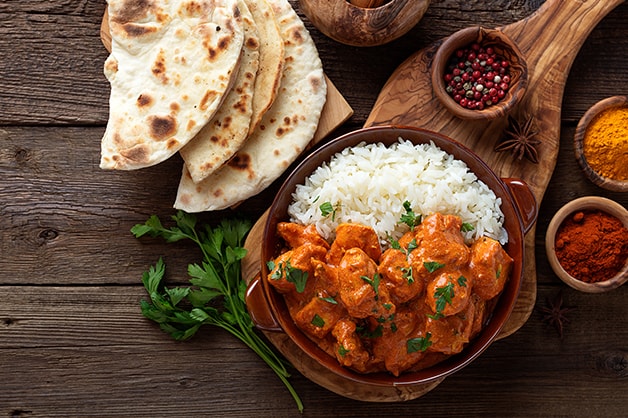
Jasmine rice is a fragrant long grain rice that is known for its subtly sweet flavour and sticky texture when cooked. Originating from Thailand, jasmine rice is a staple product for Thai and Cambodian cuisines and works well with curries and stir fries with grilled, fried or braised foods. Brown jasmine rice is also available for purchase and offers a flavour similar to oats. Both rices are generally prepared using the standard boiling method.
Matta rice
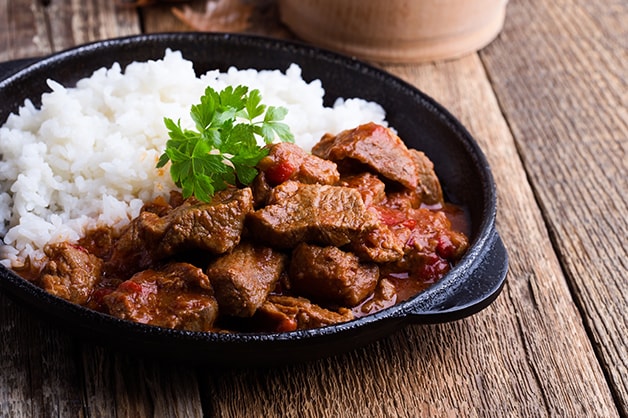
Matta rice is a reddish medium grain typically grown in India, best known for its robust, earthy flavour and coarseness. It suits menus featuring lamb and beef, curries and stews. Follow pack directions.
Sushi rice
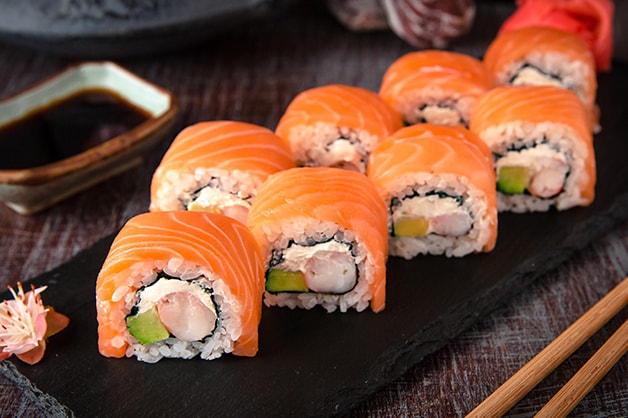
Sushi rice is a white Japanese rice known for its stickiness and ability to mould together. Suitable short or medium grain varieties are used. Once cooked, it is seasoned with rice vinegar, sugar and salt before moulding.
Brown Rice vs White Rice: What is the meaning of their colour and claims
Brown and white rice undergo different levels of milling. Instant rice is precooked, while parboiled rice is steamed in the husk before milling. Wild rice differs again as it is the seed of a semiaquatic grass rather than a processed rice.
Brown rice
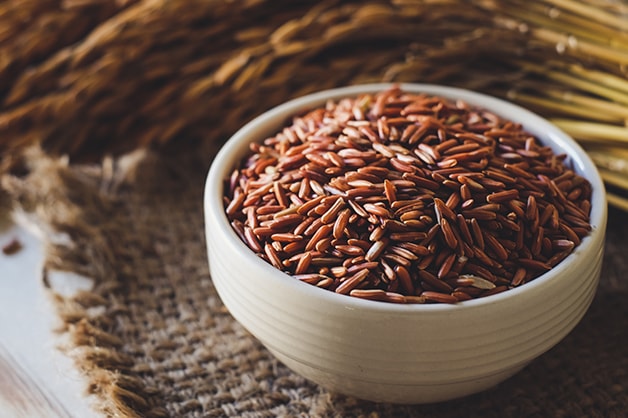
Brown rice is a whole grain, milled with only the outer hull removed. Its nuttier flavour pairs with most dishes, from salads to sides for curries and stir fries.
White rice
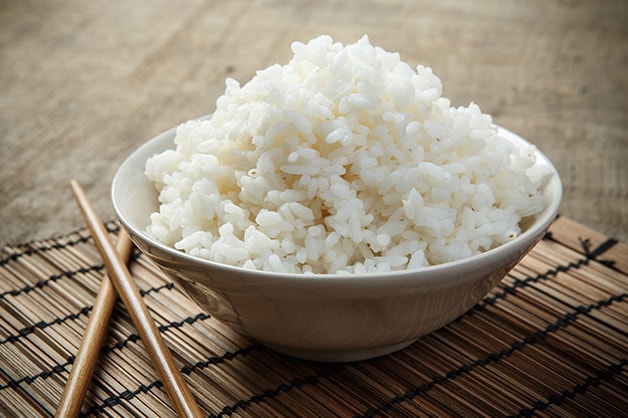
White rice is widely used across Australian kitchens thanks to its versatility. Its husk, bran and germ are removed during milling and it suits pilafs and salads or accompanies chicken, meat and vegetables. Follow pack directions for storage.
Parboiled rice
Parboiled rice is steamed in the husk before milling, then dried. The grains tend to remain separate once cooked and absorb liquid without turning soggy. It suits thick curries and stews.
Wild rice
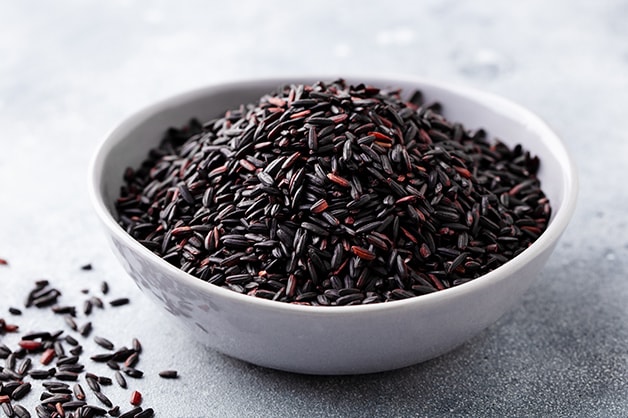
Wild rice is the seed of a semiaquatic grass native to North America, rather than a true rice. With its chewy texture and an earthy, nutty flavour, it suits pilafs or combining with cooked rice.
Instant rice
Instant rice is white rice that has been precooked and dehydrated, so it serves far more quickly than regular rice. Some chefs use boiling water while others use a microwave. Follow the pack directions.
Conclusion: With so many flavours, textures and grain types on the market, choosing the right rice can make all the difference to the final dish. Consider which rice will work for your menu and help you deliver delicious, consistent dishes your customers will love.
The Goodman Fielder Food Service range includes bulk rice products such as long grain, basmati and jasmine for commercial kitchens. Your distributor can confirm stock, pricing and order terms. For more on rice varieties see the USA Rice Federation and the Rice Association.
Related Resources
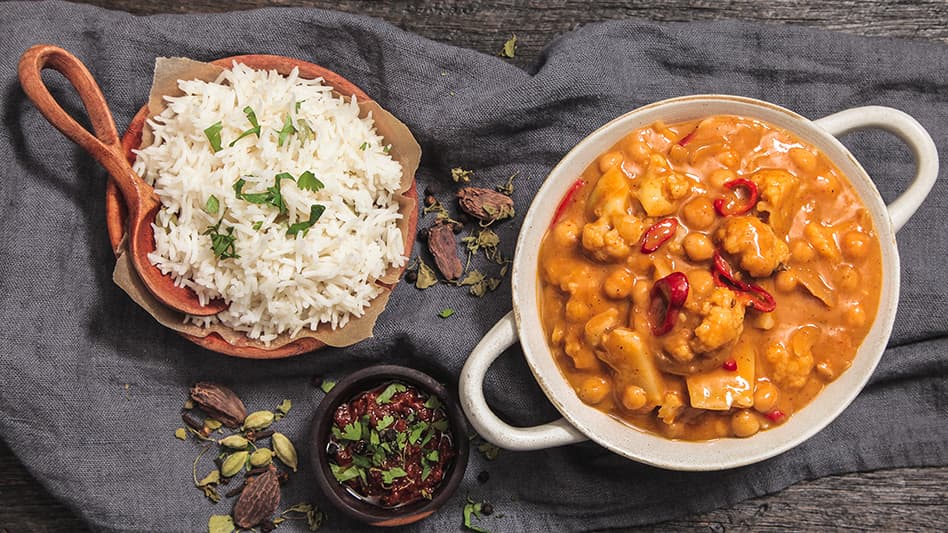
Vegan Curry With Chickpeas And Cauliflower
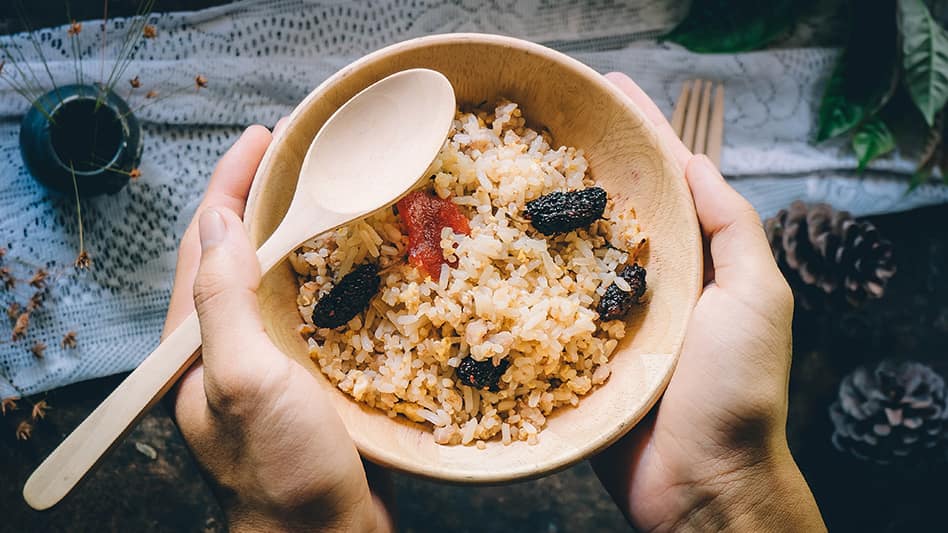
Seven Traditional Rice Dishes From Around the World
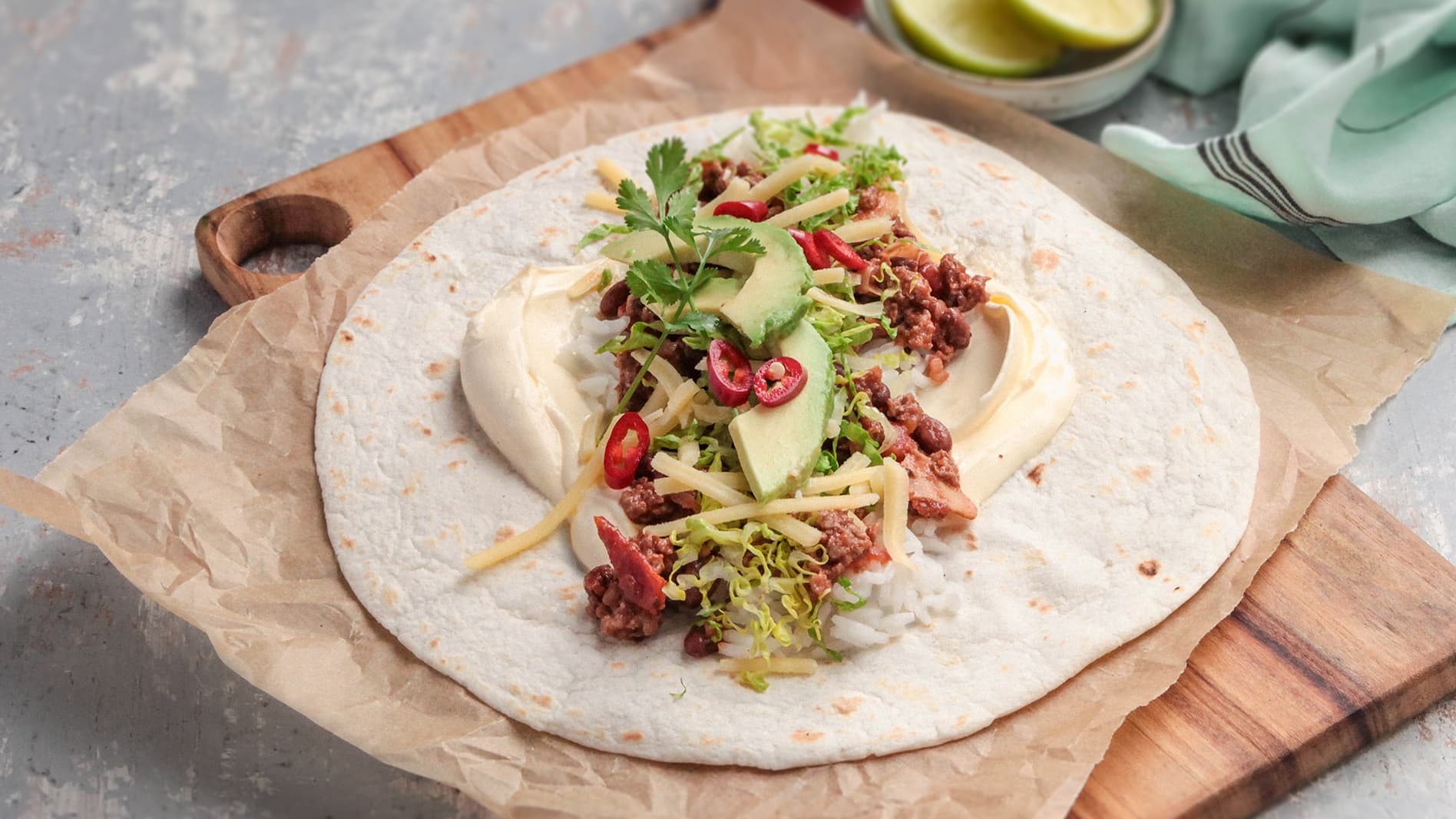
Mexican Burritos Two Ways
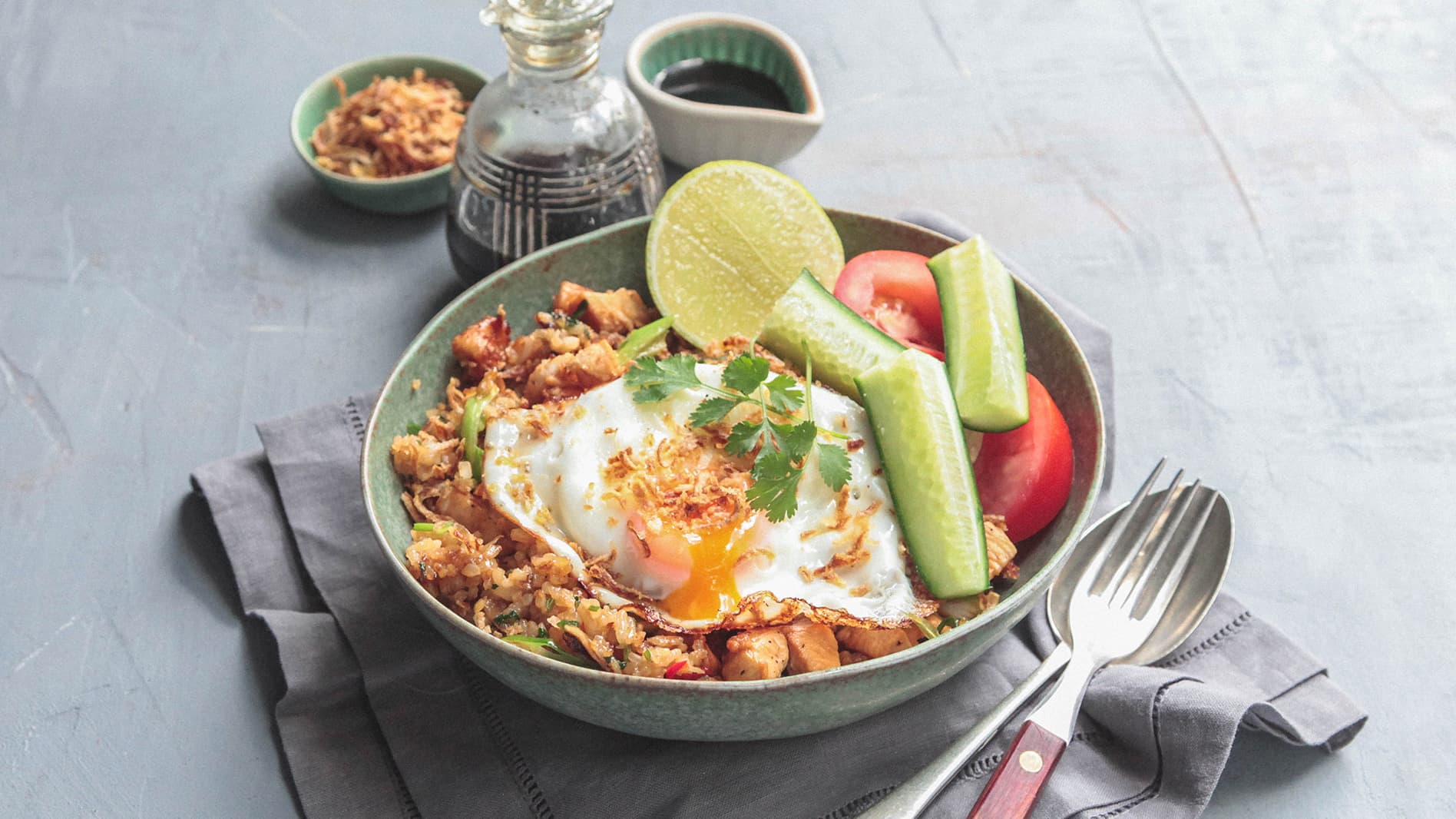
Nasi Goreng
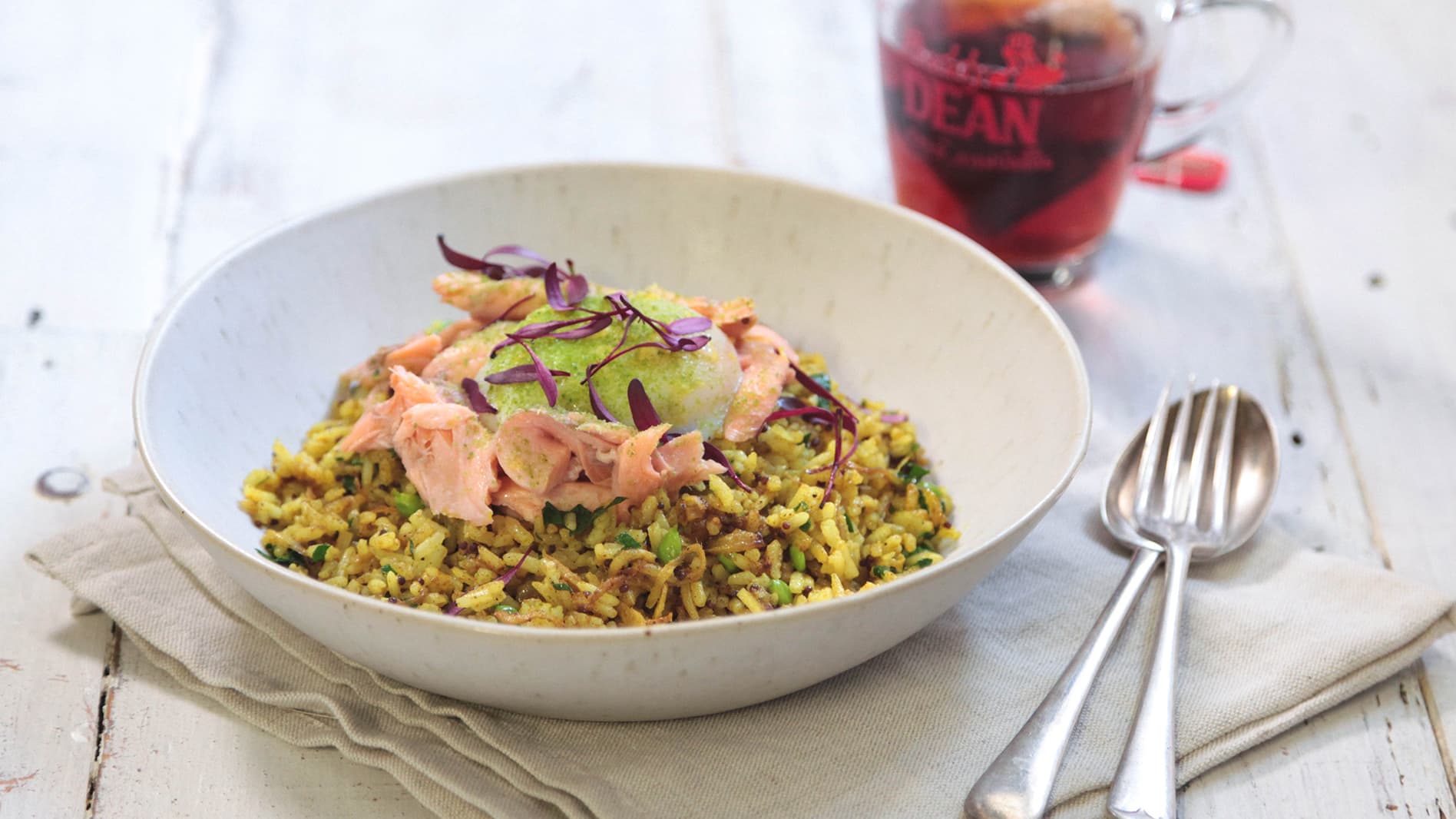
Smoked Trout Kedgeree With 63 Degree Egg